



Women’s Extended Mental Health Treatment Programs at Casa Esperanza
Women seeking a higher level of mental health care often require more than short-term stabilization — particularly when symptoms are severe, persistent, or resistant to traditional outpatient treatment. This extended treatment program is designed for adult women living with complex psychiatric conditions who benefit from structured, long-range clinical support.
Just minutes from Austin, TX, our team is ready to help
If you or someone you care about is struggling to address your need for mental health, Alta Loma could mean the difference between relapse and long-term recovery

Casa Esperanza is Alta Loma’s primary women’s treatment environment, built specifically for individuals whose symptoms have proven difficult to stabilize in traditional care settings. Many women arrive after multiple hospitalizations or outpatient experiences that did not provide sufficient stabilization. Alta Loma is structured for this level of clinical complexity — delivering the psychiatric depth, continuity, and treatment horizon often required when symptoms do not respond to traditional models of care.
Rather than focusing on short-term symptom reduction, the program is designed around psychiatric stabilization, functional restoration, and long-range recovery planning. Many residents benefit from extended timelines that allow clinicians to move beyond crisis management and address the deeper neurological, psychological, and behavioral patterns driving instability.
Care is delivered through a highly coordinated treatment team of mental health professionals in which psychiatry, therapy, behavioral support, and supportive living operate as one integrated system — reducing fragmentation while allowing treatment decisions to evolve in real time.
For families who have cycled through multiple levels of care without lasting progress, this level of clinical continuity can be transformative. Treatment combines structured therapeutic programming with supportive living in a clinically grounded, structured mental health treatment setting. The focus is sustained progress through extended care, consistent clinical engagement, and high staff involvement.
Alta Loma is often considered when clinical needs exceed what outpatient therapy, partial hospitalization, or short-term inpatient programs can safely support. This program is designed for women whose clinical needs extend beyond what short-term or general mental health programs can safely provide.

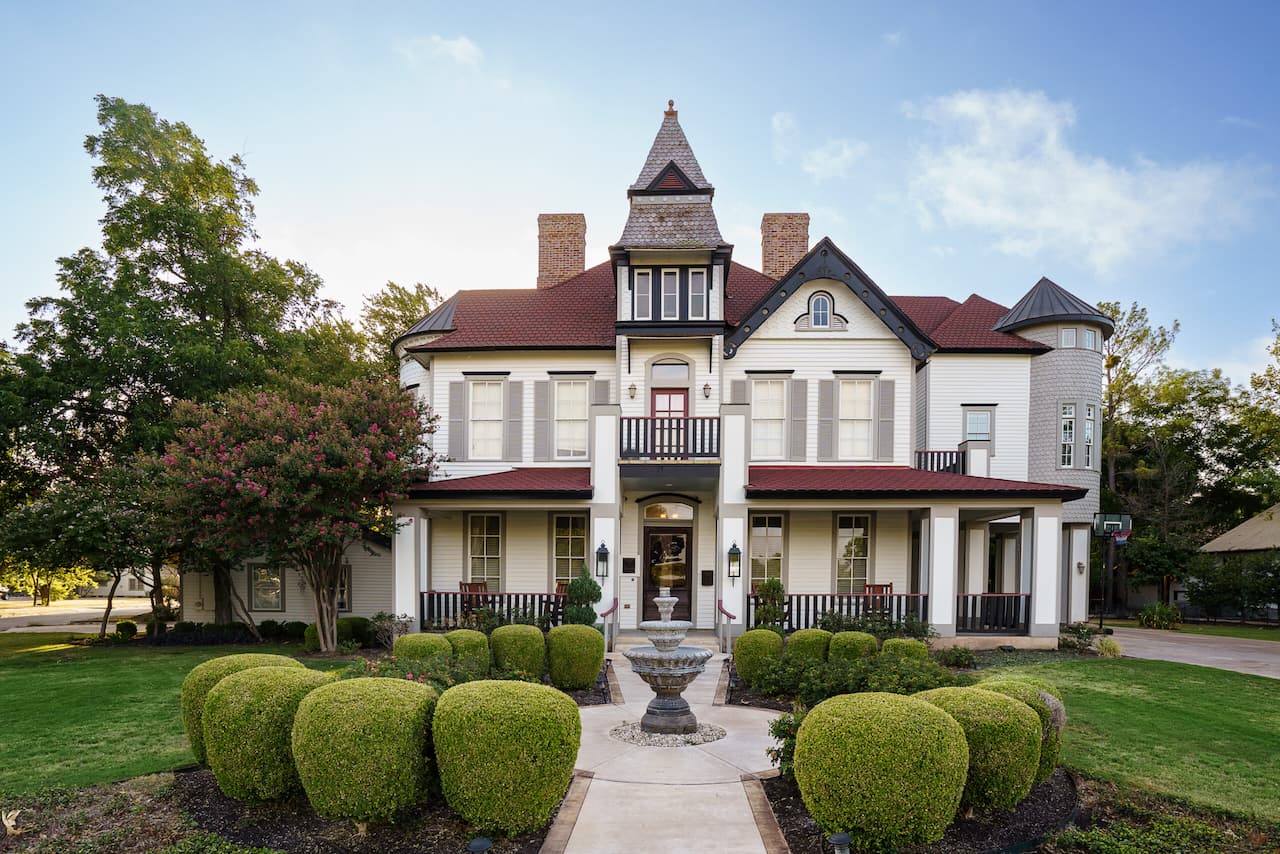
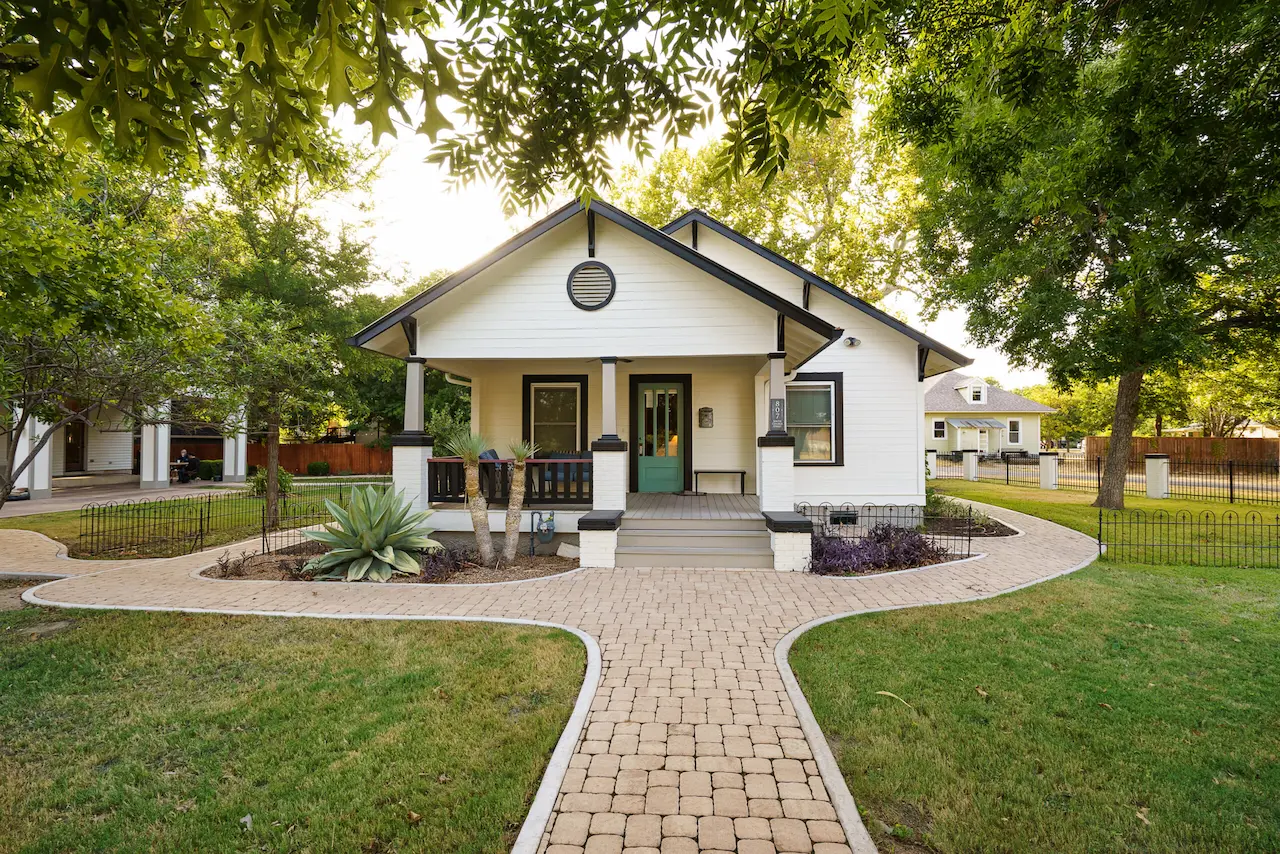
Casa Esperanza Environment & Supportive Community
The environment at Casa Esperanza is not treated as an amenity — it is considered a clinical variable. The treatment environment plays a measurable role in psychiatric outcomes, particularly for individuals requiring intensive mental health treatment within a higher level of care.
For individuals vulnerable to psychotic decompensation or severe mood destabilization, environmental unpredictability can quietly undermine treatment progress. By contrast, clinically structured settings help regulate sensory load, reinforce circadian rhythm, and support medication adherence — all foundational to psychiatric stabilization.
Casa Esperanza is intentionally structured to minimize chaos while reinforcing rhythm, routine, and therapeutic engagement. For many residents, this level of environmental consistency becomes a turning point — allowing the nervous system to settle enough for deeper clinical work to begin.


Safe, In-Person Setting Designed for Women
Alta Loma provides an in-person treatment setting specifically structured to support women navigating severe mental health conditions within a protected and clinically staffed environment.
Women living with severe psychiatric conditions often face clinical realities that differ meaningfully from their male counterparts — including higher rates of trauma exposure, complex relational dynamics, caregiving grief, and internalized stigma. A woman-centered setting allows treatment to address these layers directly while reducing social pressures that can interfere with vulnerability and therapeutic participation.
Gender-responsive programming also allows clinicians to address presentation patterns that are frequently under-recognized — including late-emerging psychosis, trauma-linked mood dysregulation, and symptom masking that can delay appropriate diagnosis. Staff are trained to recognize how psychiatric symptoms may present differently in women, particularly when psychosis is intertwined with trauma, mood disorders, or prolonged emotional suppression.
Therapeutic Community and Peer Support for Mental Health Recovery
Peer connection is a core component of behavioral health treatment, particularly within long-term structured programs where daily therapeutic engagement supports stabilization. Predictable routines are clinically supportive for individuals managing psychiatric instability. Structured days help regulate sleep cycles, reinforce medication adherence, and reduce cognitive overload. Over time, this consistency supports improved executive functioning and prepares clients for greater independence as they progress toward community reintegration.
Emphasis on Wellness, Well-Being, and Daily Structure
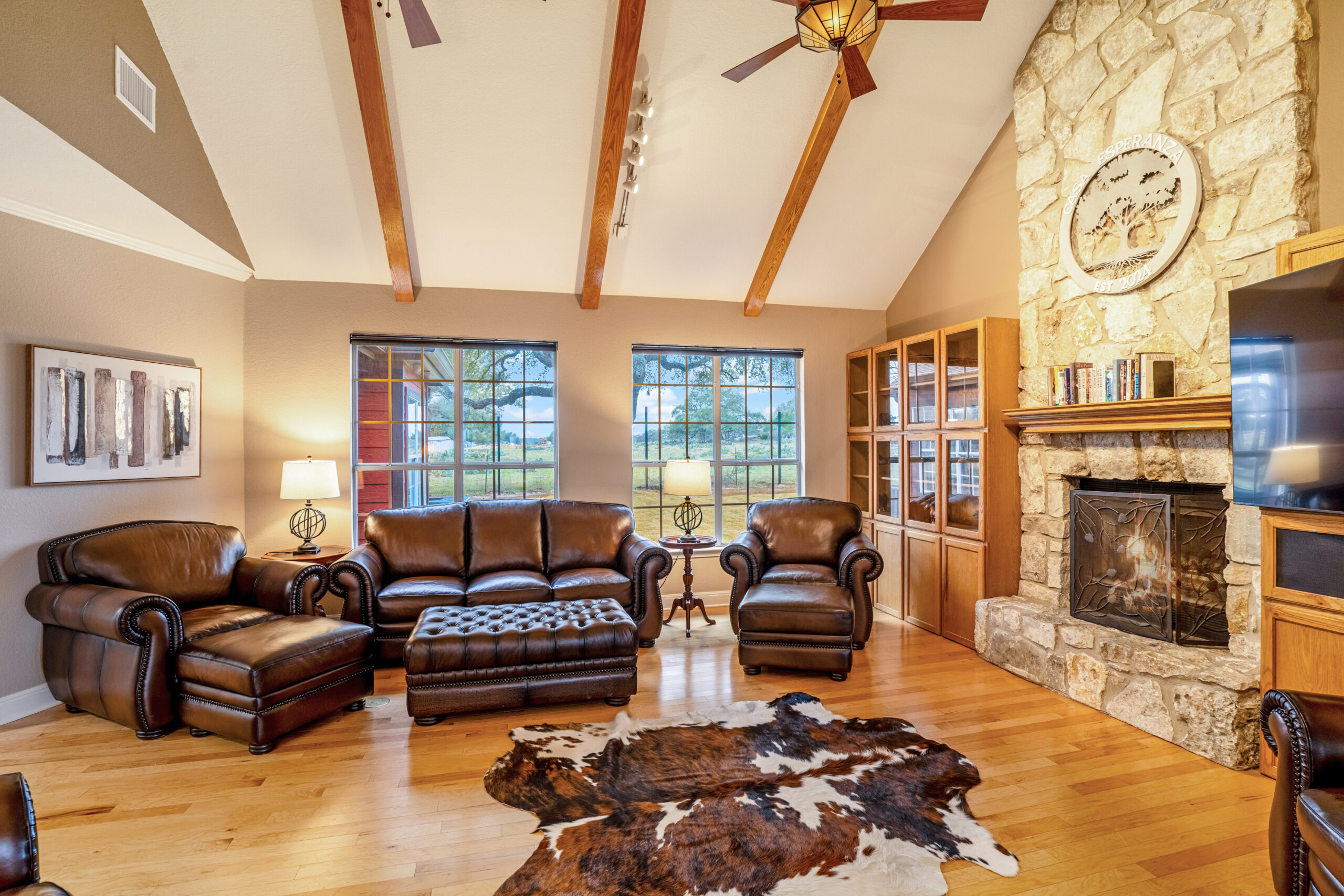
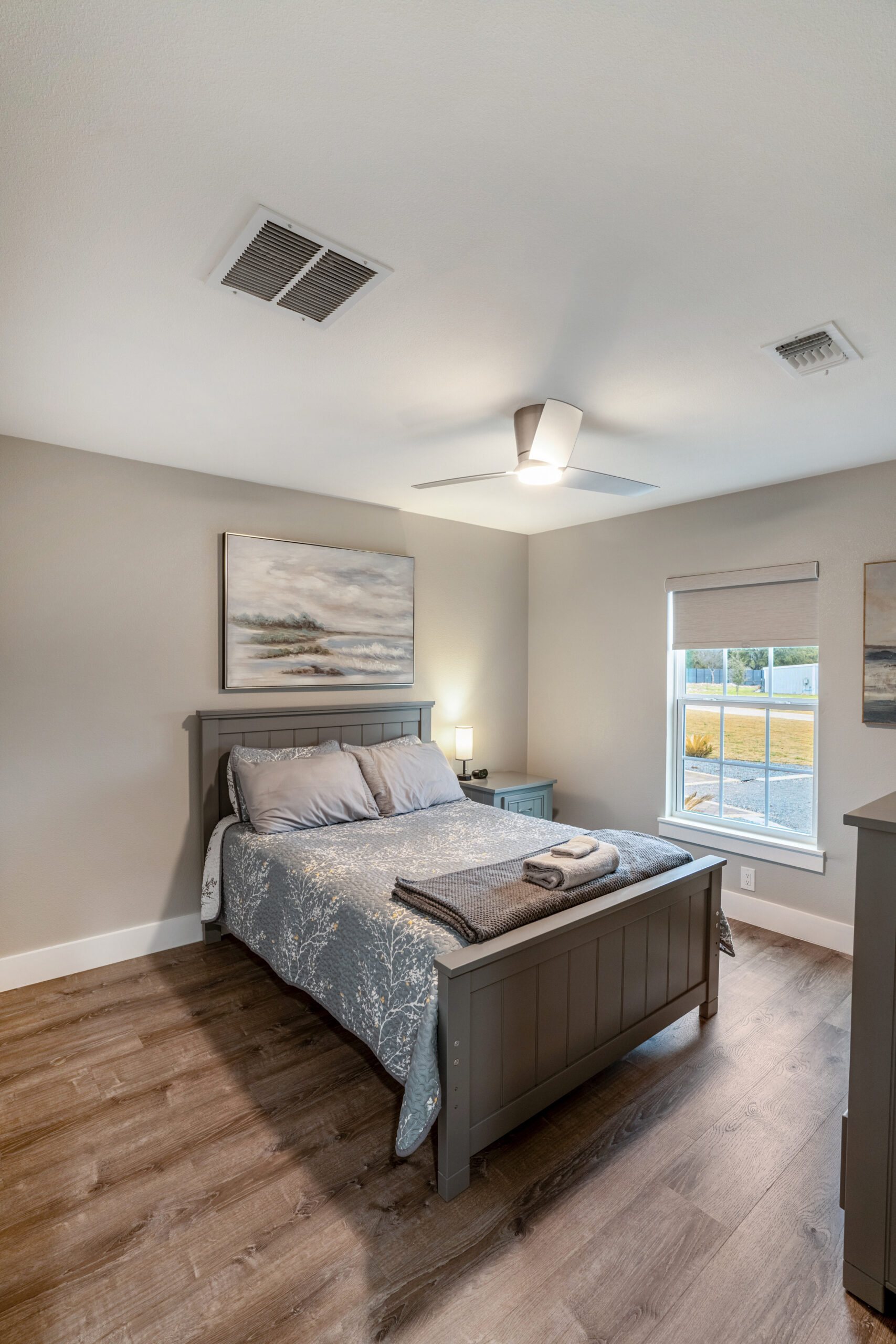
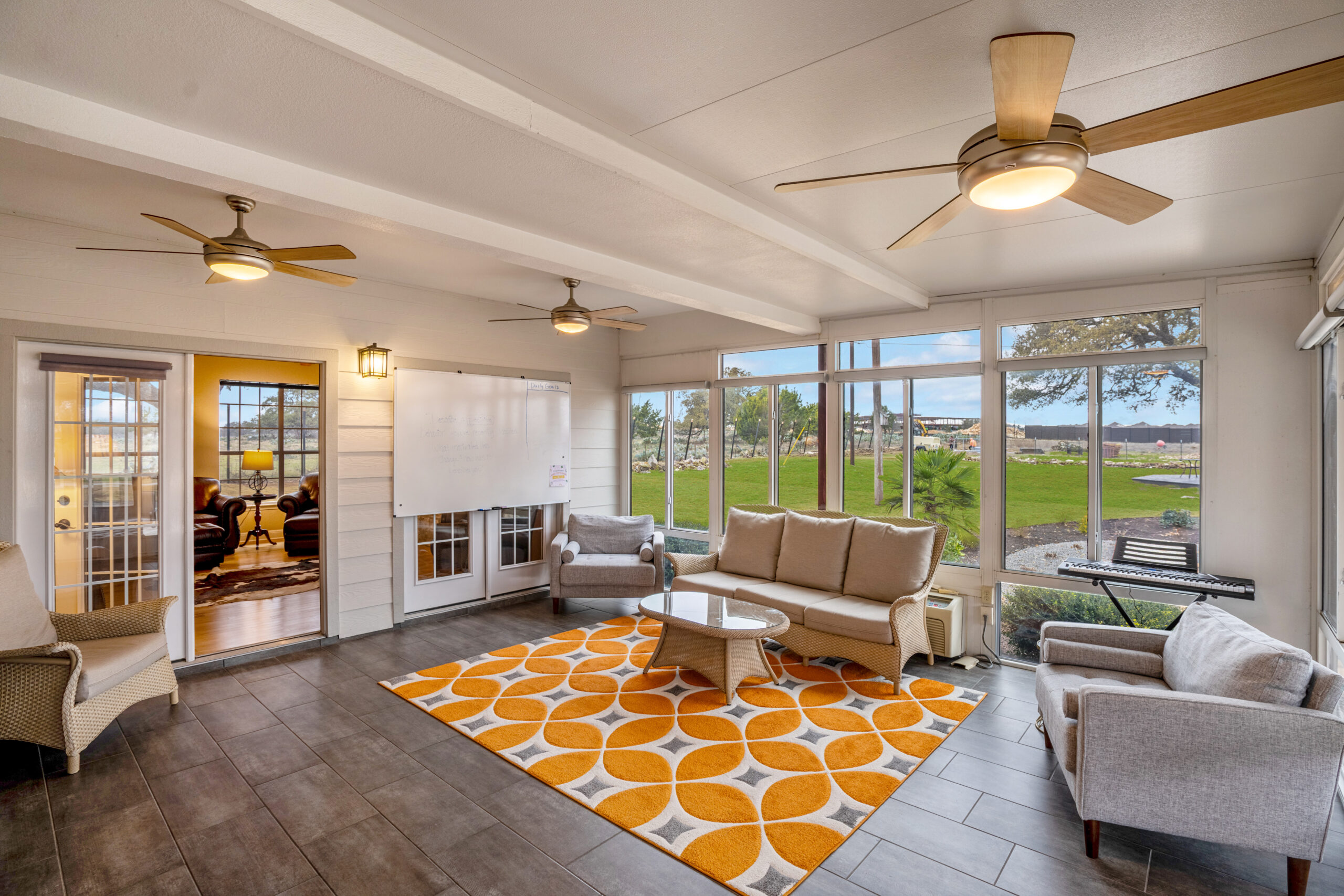
The living environment at Casa Esperanza is designed to support recovery rather than distract from it. Each feature serves a practical role in promoting comfort, predictability, and day-to-day functioning throughout extended care. Clients benefit from thoughtfully maintained grounds, welcoming shared spaces, nutritious meals, and continuous staff presence — all of which help create a stable foundation for therapeutic work.
Supportive Living Features
- Swimming pool
- Several shaded outdoor seating areas
- Nutritious, tasty meals served daily
- Around-the-clock supervision from our experienced, friendly team
Primary Program Schedule | Monday – Friday
| Meditation Group | 9:30am |
|---|---|
| Process Group | 10am – 12pm |
| Lunch Time | 12pm – 1pm |
| Life Skills Group | 1pm – 3pm |
| Health & Wellness | 3pm – 5pm |
| Dinner | 5pm – 6pm |
| Recovery Group | 6pm – 7pm |
| Daily Goal Review | 9:30pm – 10pm |
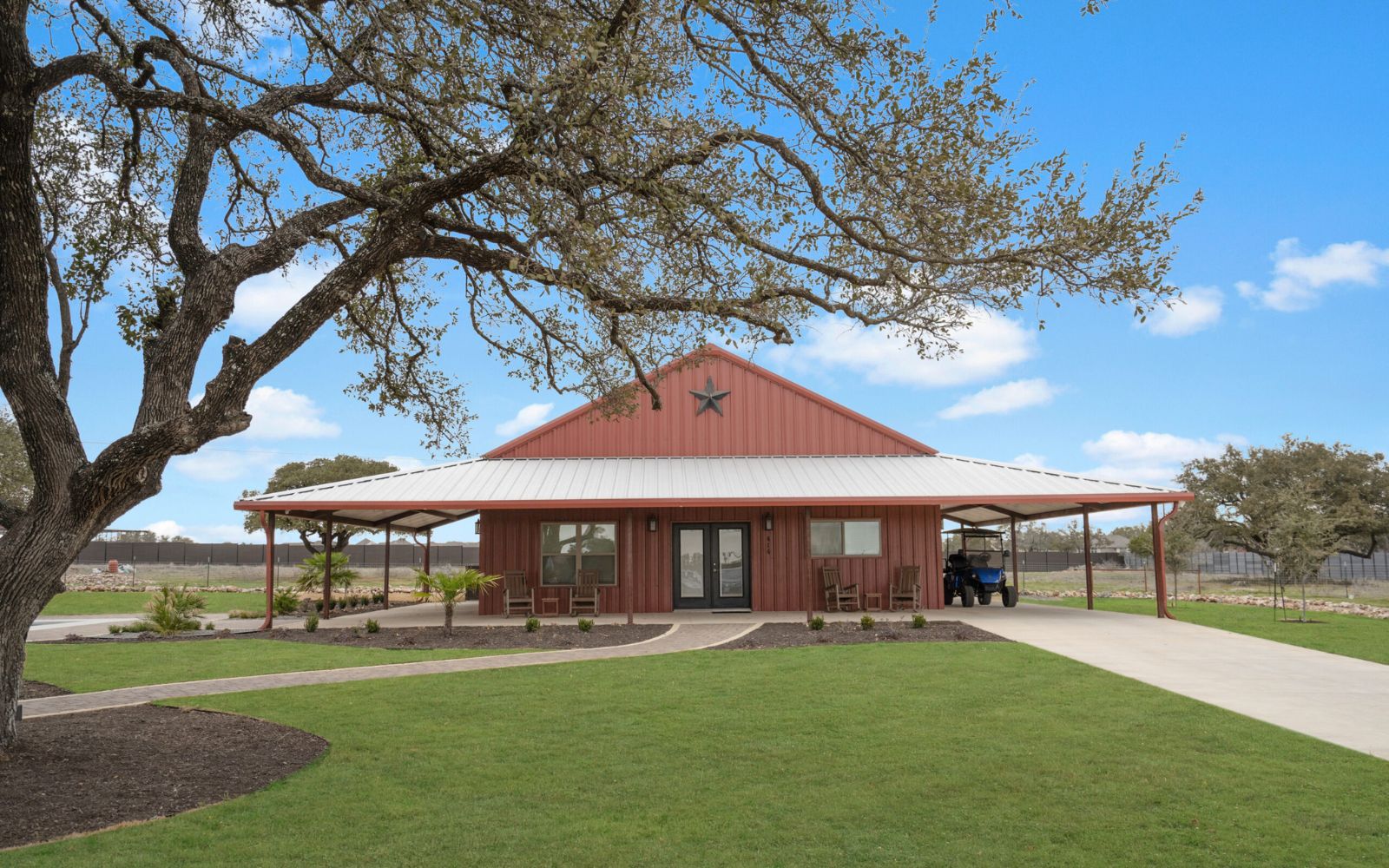
Our Facility
Comprehensive Treatment Plans & Evidence-Based Therapies
Treatment at Alta Loma is delivered through an evidence-based model that integrates psychiatry, psychotherapy, group therapy, and behavioral health support. Severe mental illness rarely responds to rigid treatment formulas. Because of this, care at Casa Esperanza is intentionally dynamic — shaped by ongoing psychiatric assessment, behavioral observation, and clinical collaboration.
This multidisciplinary approach reflects best practices in the treatment of severe mental health disorders, where coordinated psychiatric and therapeutic involvement is strongly associated with improved stabilization outcomes.
Treatment plans function as living frameworks rather than static documents, allowing providers to respond quickly to symptom shifts, medication responses, and functional changes. This level of adaptability is particularly critical for clients whose conditions involve psychosis, diagnostic complexity, or fluctuating insight.


Types of Mental Health Programming Offered At Casa Esperanza

Individual Therapy Sessions for Women’s Mental Health Challenges
Individual therapy provides a confidential space for women to explore personal history, symptom experiences, emotional patterns, and functional challenges with a dedicated clinician. Sessions emphasize the development of insight, adaptive coping strategies, and practical problem-solving while aligning closely with psychiatric care. This coordinated approach allows treatment to remain responsive as clinical needs evolve.
Group Therapy: Peer Support and Skill-Building
Group therapy offers a structured environment where clients can examine relational patterns, receive clinical feedback, and strengthen interpersonal effectiveness. Facilitated by experienced professionals, groups focus on translating therapeutic insight into real-world behavior — an essential component of long-term recovery.


Cognitive-Behavioral Therapy (CBT) & Dialectical Behavior Therapy (DBT)
Evidence-based therapies are integrated throughout care. CBT helps clients identify thought patterns that influence mood and behavior, while DBT introduces practical strategies for emotional regulation, distress tolerance, and interpersonal effectiveness. These modalities are adapted to support individuals living with complex psychiatric conditions, ensuring interventions remain clinically appropriate.
Medication Management and Psychiatry Oversight
Medication management is a central component of mental health treatment at Alta Loma for individuals living with severe psychiatric disorders. Ongoing evaluation allows providers to monitor symptom progression, assess medication effectiveness, and make thoughtful adjustments when needed. This level of oversight supports stabilization while reducing the risk of fragmented care — a common challenge for individuals navigating severe mental illness.
Many residents arrive with long medication histories that require thoughtful reevaluation rather than rapid adjustment. Psychiatric providers prioritize diagnostic clarity, medication optimization, and careful monitoring to reduce unnecessary polypharmacy whenever possible.
The objective is not sedation — it is stability with the highest achievable level of cognitive and functional preservation. Whenever possible, the goal is therapeutic precision — identifying the minimum effective regimen capable of supporting stability while preserving cognition, motivation, and quality of life.


Family Therapy and Supportive Care Integration
Severe psychiatric conditions affect the entire family system. Structured involvement helps improve communication, strengthen support networks, and prepare loved ones for the realities of long-term recovery. Families receive education, clinical guidance, and consistent updates, allowing them to participate meaningfully in the healing process while developing realistic expectations.
Meditation Groups
Mindfulness practices can help clients build awareness of internal experiences without becoming overwhelmed by them. Meditation groups introduce grounding techniques that support emotional regulation and cognitive clarity. Over time, these skills can help reduce reactivity and increase a client’s ability to pause before responding to distressing thoughts or sensations.
Another way we can help women learn to stay grounded and self-soothe in the face of overwhelming feelings is through breathwork. When emotions run high, it’s common for people to hyperventilate or take short, shallow breaths. By learning how to regulate your breathing, you can gain more control over your thoughts and feelings.


Life Skills Groups
Psychiatric symptoms often disrupt everyday functioning. Life skills groups focus on rebuilding practical capabilities such as organization, communication, decision-making, and problem-solving. Strengthening these abilities supports long-term independence and helps clients prepare for responsibilities beyond the treatment environment.

Psychoeducational Groups
Understanding one’s condition can reduce fear and increase engagement in care. Psychoeducational groups provide clear, clinically grounded information about mental health, brain function, and treatment approaches. This knowledge empowers clients to participate actively in their recovery while reinforcing that psychiatric symptoms are treatable medical conditions — not personal failures.

Health and Wellness
Physical well-being plays an important role in psychiatric stability. Clients are encouraged to establish routines that support sleep, nutrition, and movement, all of which contribute to overall functioning. While lifestyle practices are not substitutes for clinical care, they serve as meaningful complements within a comprehensive treatment plan.

Process Groups
Process groups allow clients to explore emotions in real time while receiving therapeutic support. Sharing experiences alongside others often deepens insight and fosters empathy. These groups help clients practice expressing themselves safely — an ability that supports healthier relationships long after treatment concludes.

When a Higher Level of Mental Health Care May Be Needed
Families rarely begin searching for extended psychiatric care until the situation has become unsustainable. In many cases, extended treatment provides the structure necessary to stabilize symptoms that cannot be safely managed in less intensive settings.
You may be noticing escalating symptoms, repeated crises, growing withdrawal, medication nonadherence, or a level of functional decline that no longer feels manageable without structured support. Reaching this point can be frightening — but it also creates an opportunity to pursue a level of care capable of producing meaningful stabilization.
Early, thoughtful intervention can help reduce the risk of repeated crises while creating space for sustained healing.
Recognizing Signs Your Loved One Needs Intensive Mental Health Care
Determining when to transition to a higher level of care is one of the most important decisions families make when mental health symptoms escalate. Families often notice subtle changes before a crisis emerges. Withdrawal from daily life, increasing paranoia, mood instability, cognitive disruption, or difficulty maintaining responsibilities may signal the need for more structured support.
Seeking evaluation at this stage can help clarify clinical needs and guide next steps.
High-Risk Symptoms: Self-Harm, Substance Use, and Severe Mood Dysregulation
Escalating symptoms — including safety concerns, psychosis, or substance use that interferes with psychiatric care — typically indicate the need for a higher level of clinical involvement.
Comprehensive treatment can provide the monitoring and therapeutic depth necessary to support stabilization.
Early Intervention and Referral to Outpatient or Inpatient Services
When symptoms become complex, placement matters. Alta Loma’s admissions process is intentionally thorough, helping families determine whether extended care is the most appropriate path. This deliberate approach reflects a core value: appropriate placement supports better long-term outcomes than rushed decisions.
How Alta Loma Is Different
Selecting a mental health treatment provider requires careful evaluation of clinical depth, continuity of care, and the ability to support complex psychiatric presentations. Alta Loma was built for clinical situations that cannot be responsibly managed in shorter or less structured settings.
Long-Term, Psychiatry-Driven Care
Individualized treatment led by board-certified psychiatrists ensures every client receives expert guidance for complex mental health conditions. Progress is approached as a longitudinal process rather than a time-limited intervention.
Dual Diagnosis
Support
Our programs are designed to treat co-occurring mental health and substance use disorders simultaneously, addressing the unique challenges of dual diagnosis for more effective recovery.
Family-Focused
Therapy
Families are integral to the healing process, participating in weekly sessions and intensive monthly programs that strengthen support systems and improve treatment outcomes.
High Staff Involvement
Clients benefit from a high staff-to-client ratio, with continuous, personalized care from therapists, psychiatrists, and peer specialists throughout the treatment journey.
Community Reintegration Model
Real-world skills and gradual reentry into the community are emphasized, helping clients transition out of treatment confidently while maintaining mental health stability.
Holistic, Evidence-Based Approach
Our care combines psychotherapy, medication management, psychoeducation, and complementary therapies to create a comprehensive, science-backed plan tailored to each resident’s needs.

Why Choose Casa Esperanza for Women’s Mental Health Care?
Selecting a program for severe mental illness is a significant decision. Alta Loma is structured around clinical integrity, individualized care, and treatment timelines that reflect the realities of psychiatric recovery. The focus remains on stability, functioning, and community reintegration — not quick fixes.
Highly Skilled Mental Health Professionals and Clinicians
Treating complex psychiatric conditions requires depth of expertise. The multidisciplinary team includes psychiatric providers, master’s-level therapists, and experienced clinical staff who collaborate closely to support each client’s progress. This coordinated model allows care to remain responsive as needs change over time.
Individualized, Evidence-Based Treatment
Plans
No two clinical presentations are identical. Treatment plans are developed through comprehensive assessment and refined continuously to reflect progress, symptom patterns, and evolving goals. This individualized approach supports meaningful improvement rather than temporary stabilization.
Support for Daily Responsibilities, Coping Strategies, and Long-Term Wellness Goals
Recovery extends beyond symptom reduction. Residents are supported in rebuilding practical capabilities so they can move toward greater autonomy with appropriate clinical support. The objective is lasting stability that continues well beyond the treatment setting.
Why Extended Psychiatric Care Changes the Recovery Trajectory
Meaningful psychiatric stabilization rarely occurs on a compressed timeline. For many individuals living with schizophrenia spectrum disorders and other severe psychiatric conditions, progress unfolds gradually through repetition, reinforcement, and sustained clinical involvement.
Short-term programs can play an important role in crisis response — but lasting functional improvement often requires more time than those models allow. Extended care creates the space necessary to refine treatment strategies, rebuild daily functioning, and prepare thoughtfully for community reintegration. Neurological recovery and functional gains rarely unfold on compressed timelines.

Frequently Asked Questions (FAQs)
What is the difference between PHP, IOP, and inpatient treatment?
Partial hospitalization programs (PHP), intensive outpatient programs (IOP), and inpatient treatment represent different levels of care within the behavioral health continuum.
Inpatient treatment provides 24/7 medical and psychiatric supervision and is typically recommended during acute psychiatric episodes when safety or stabilization is the immediate priority.
PHP offers a structured, full-day treatment schedule while allowing residents to return to supportive living in the evenings. This level of care is often appropriate for individuals who need intensive clinical involvement but do not require hospital-level monitoring.
IOP delivers several hours of therapy multiple days per week and is generally best suited for individuals demonstrating increased stability who are preparing for greater independence.
Placement is determined through a comprehensive clinical evaluation to ensure the level of care aligns with symptom severity, functional needs, and long-term recovery goals.
How long is the typical length of stay at Casa Esperanza?
Length of stay varies based on clinical need; however, treatment is designed with a long-term perspective, typically lasting one year. Many residents benefit from extended care that allows sufficient time for stabilization, skill development, and preparation for community reintegration.
What mental health conditions are treated in women’s programs?
Casa Esperanza supports women experiencing serious psychiatric conditions, including schizophrenia, schizoaffective disorder, bipolar I disorder with psychotic features, and related disorders. Care addresses mental health with or without co-occurring substance use.
How are therapy sessions structured?
Residents participate in a combination of individual therapy, group therapy, psychiatric appointments, skills-based programming, and wellness activities. This integrated structure ensures consistent clinical engagement throughout the week.
What role does medication management play in treatment?
Medication management is overseen by psychiatric providers who monitor effectiveness, evaluate side effects, and adjust treatment when necessary. Ongoing oversight supports stabilization and continuity of care.
How is the family involved in care and treatment planning?
Family participation is strongly encouraged. Loved ones may engage in educational opportunities, structured support, and therapeutic involvement designed to strengthen the long-term recovery environment.
When should a loved one be referred to a higher level of care?
Referral may be appropriate when symptoms interfere with safety, functioning, or treatment engagement — or when prior interventions have not provided sufficient stability.
Are outpatient services and step-down care available?
When clinically appropriate, outpatient care — including services available through Alta Health — can support continued progress following extended treatment.
What is the difference between Alta Loma and Alta Health?
Alta Loma provides long-term, psychiatry-driven treatment for individuals living with severe mental illness who require extended structure and clinical oversight.
Alta Health offers outpatient services designed for individuals who can safely engage in treatment while living in the community. For some residents, Alta Health may become part of a thoughtfully coordinated step-down plan following extended care.

Healing Requires Time, Structure, and Clinical Depth
When severe mental illness disrupts daily life, the path forward often requires more than brief intervention. Alta Loma is committed to providing care that reflects the complexity of these conditions — grounded in psychiatric leadership, individualized planning, and meaningful family involvement.
If your loved one’s needs have outpaced traditional options, a more comprehensive approach may provide the stability necessary for lasting progress.
Goal Review
When you’re working toward something, the more clearly and accurately you define the end result you’re seeking, the better able you are to get there. From day one, we help you set short, medium- and long-term goals and intentions and periodically assess progress. We also show you how to document, track and review goals for optimal results.
CBT Treatment
Nutrition Education
Medication Management
Recreational Therapy
Truthought Curriculum
Community Integration


Contact Us
You understand your needs best. If you have found yourself at a crossroads in your treatment and feel like your program options don’t fully understand you or aspects of your recovery, it’s time to contact the specialists at Alta Loma.
phone
(512) 877-4883
Opening Hours
Open 24 Hours
Address
103 E 8th St, Georgetown, TX 78626
Fill Our Our Form
We answer all responses as soon as we recieve them.